
From the Kitty Darling Journal
Why Polka Dots Became a 1950s Fashion Obsession
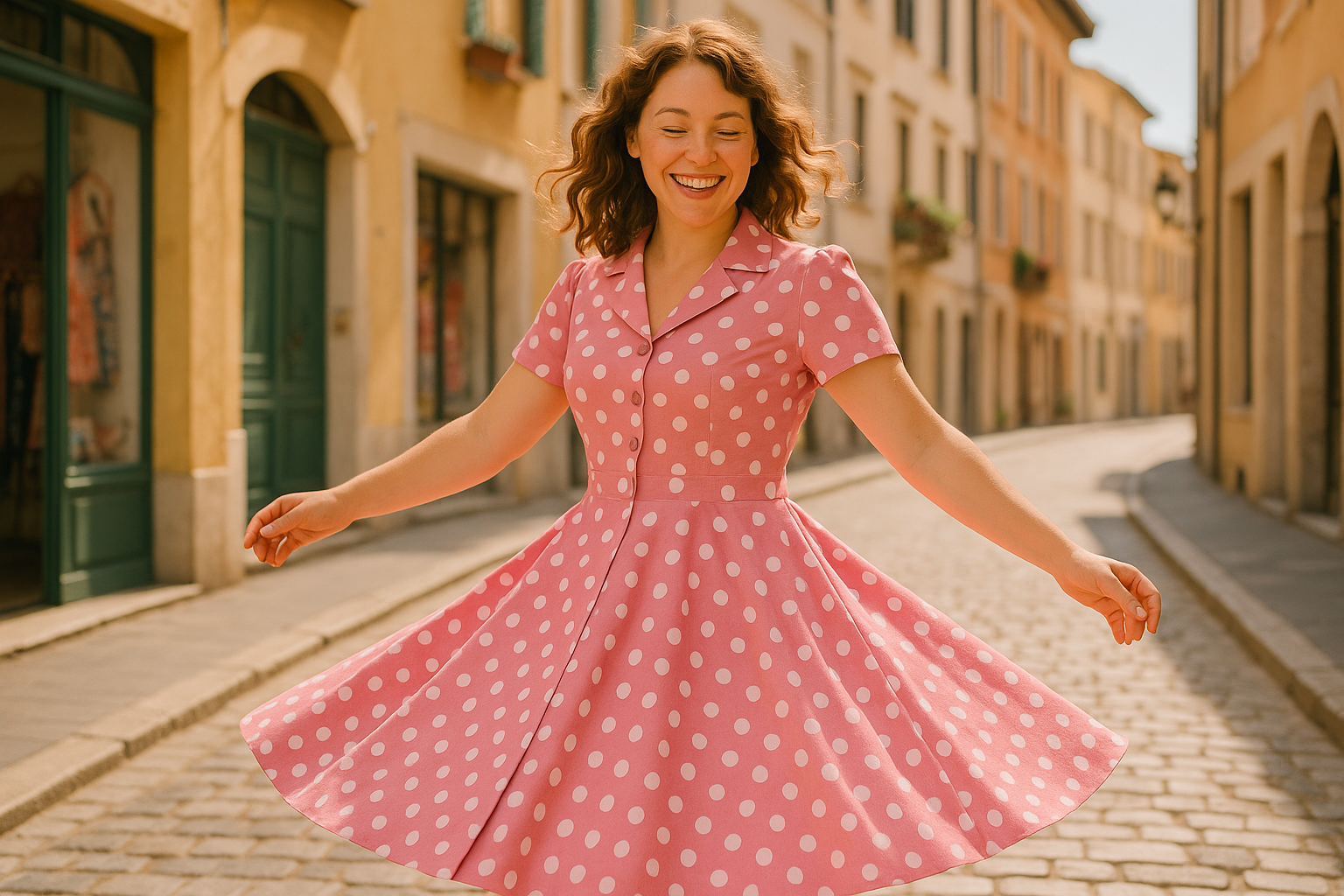
Vintage is not just old clothes. It’s confidence, joy, and a little playful rebellion—everything ordinary wardrobes quietly envy.
Most customers walk into Kitty Darling with a fixed idea: Polka dots? ‘Not for me, love.’ Five minutes later, they’re grinning at their own reflection, shoulders back, living out a scene worthy of a silver-screen close-up.
If you’ve ever thought, ‘That’s cute, but I could never pull it off,’ you’re in the best company. Everyone says it, right up until the moment the right dress surprises them—with a wink and a whirl.
Curious? Step Into These Polka Dot Styles and See for Yourself
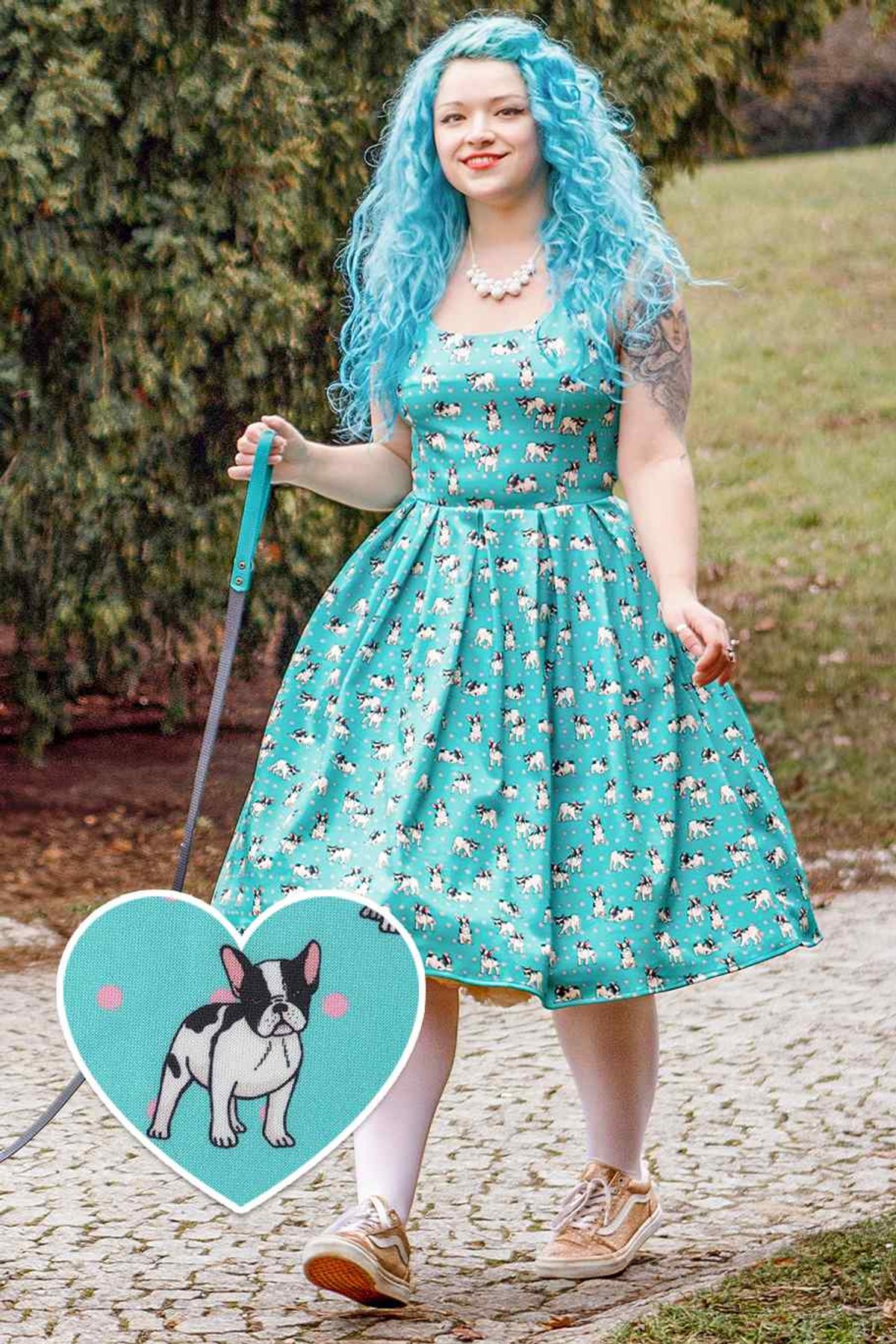
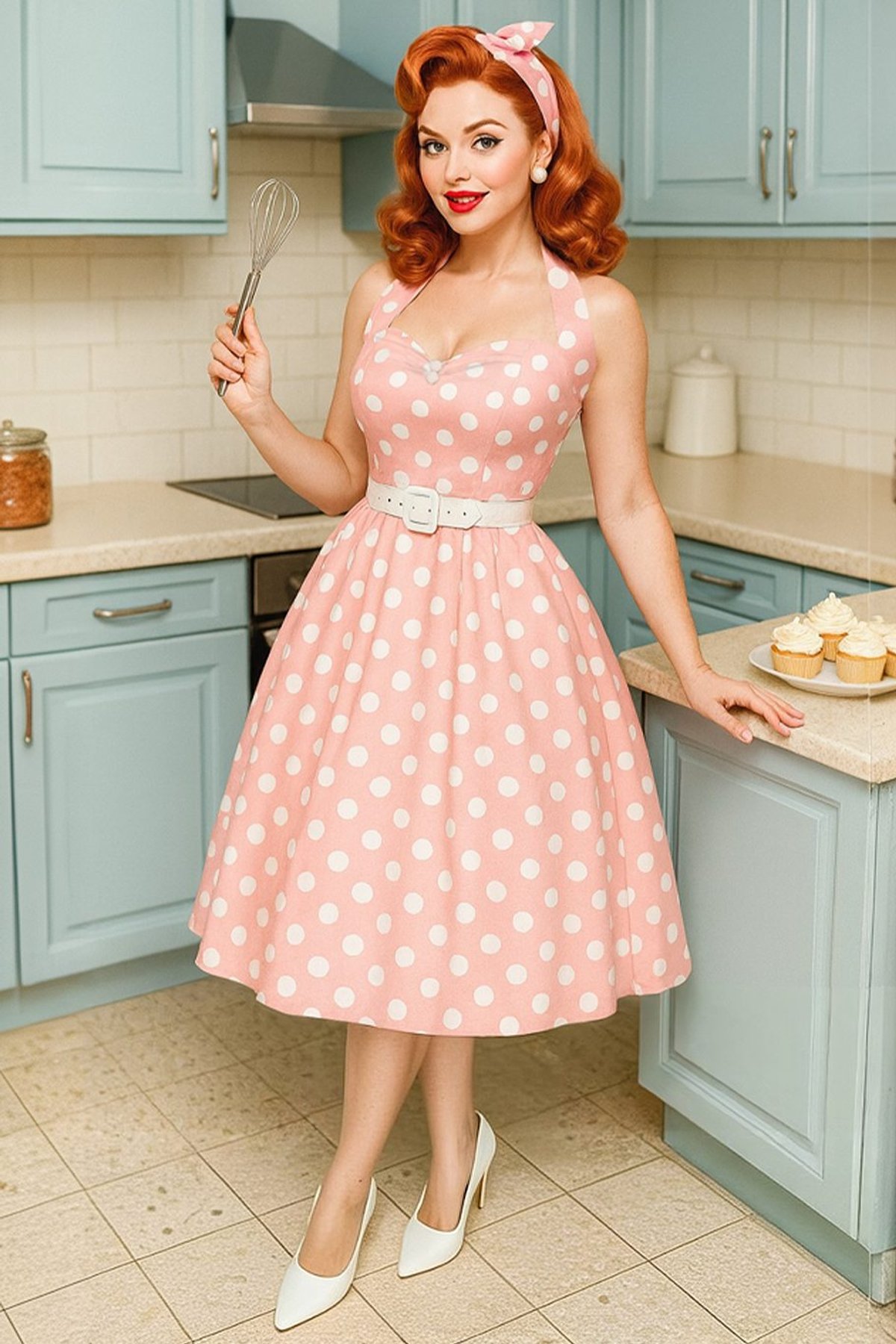
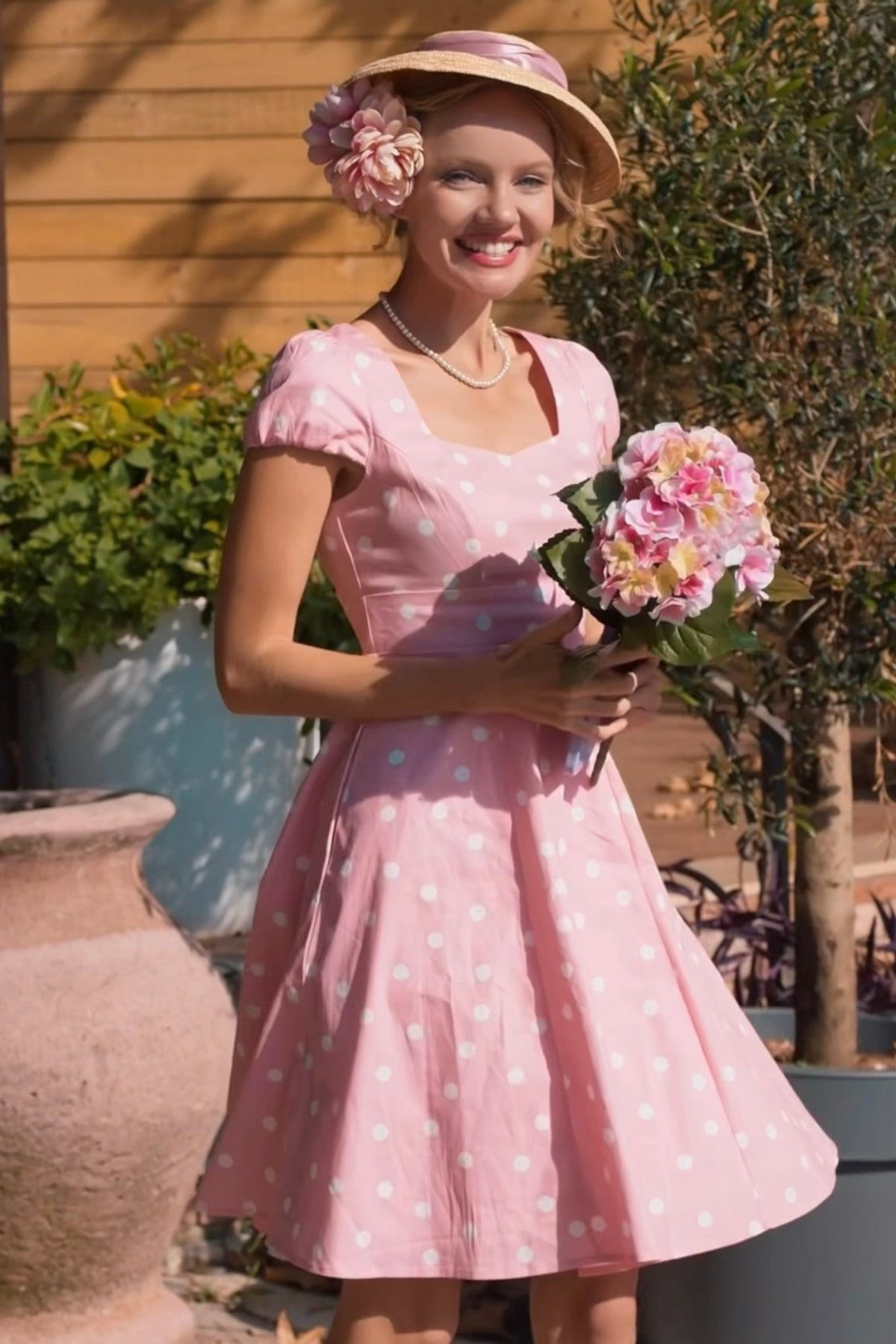
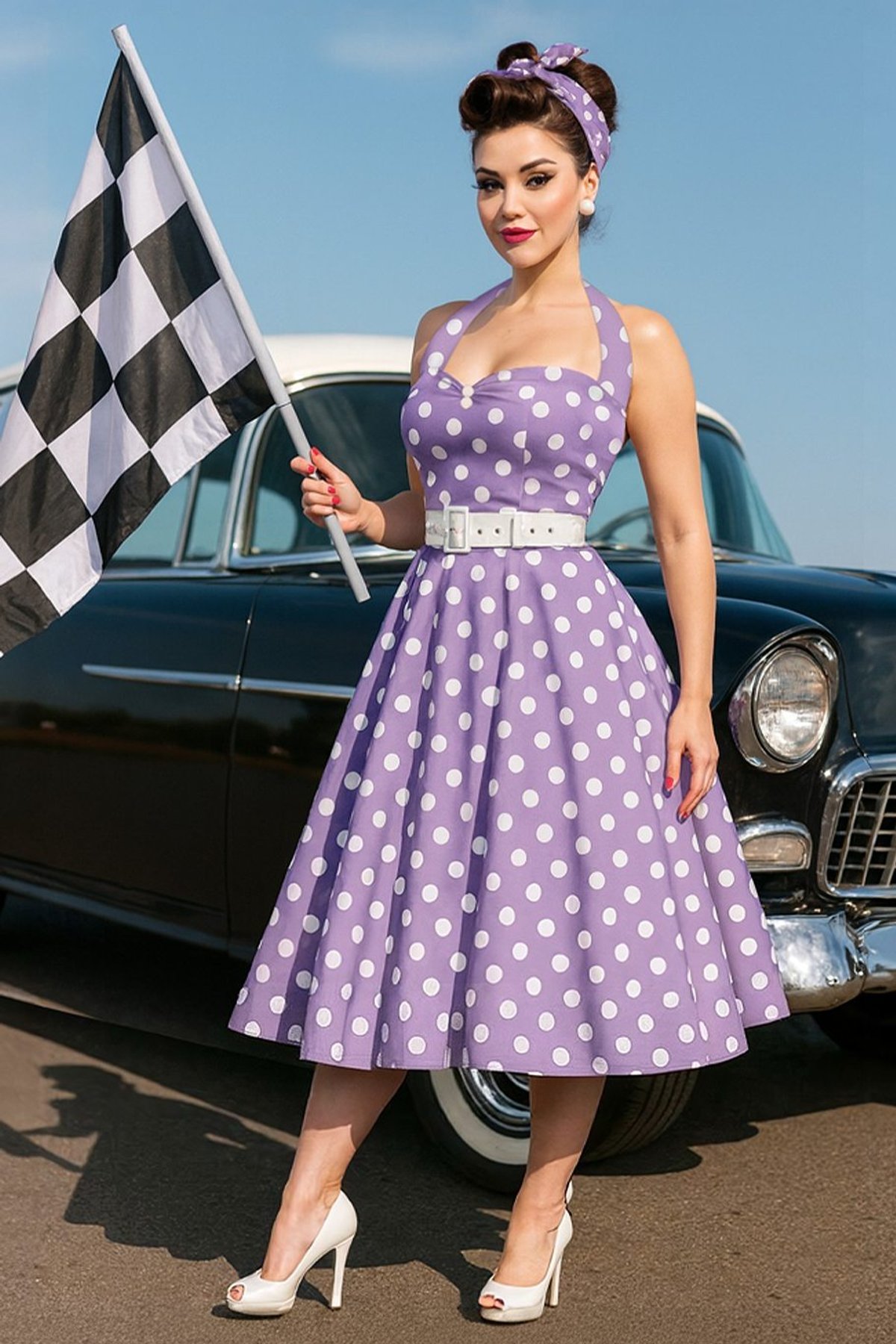
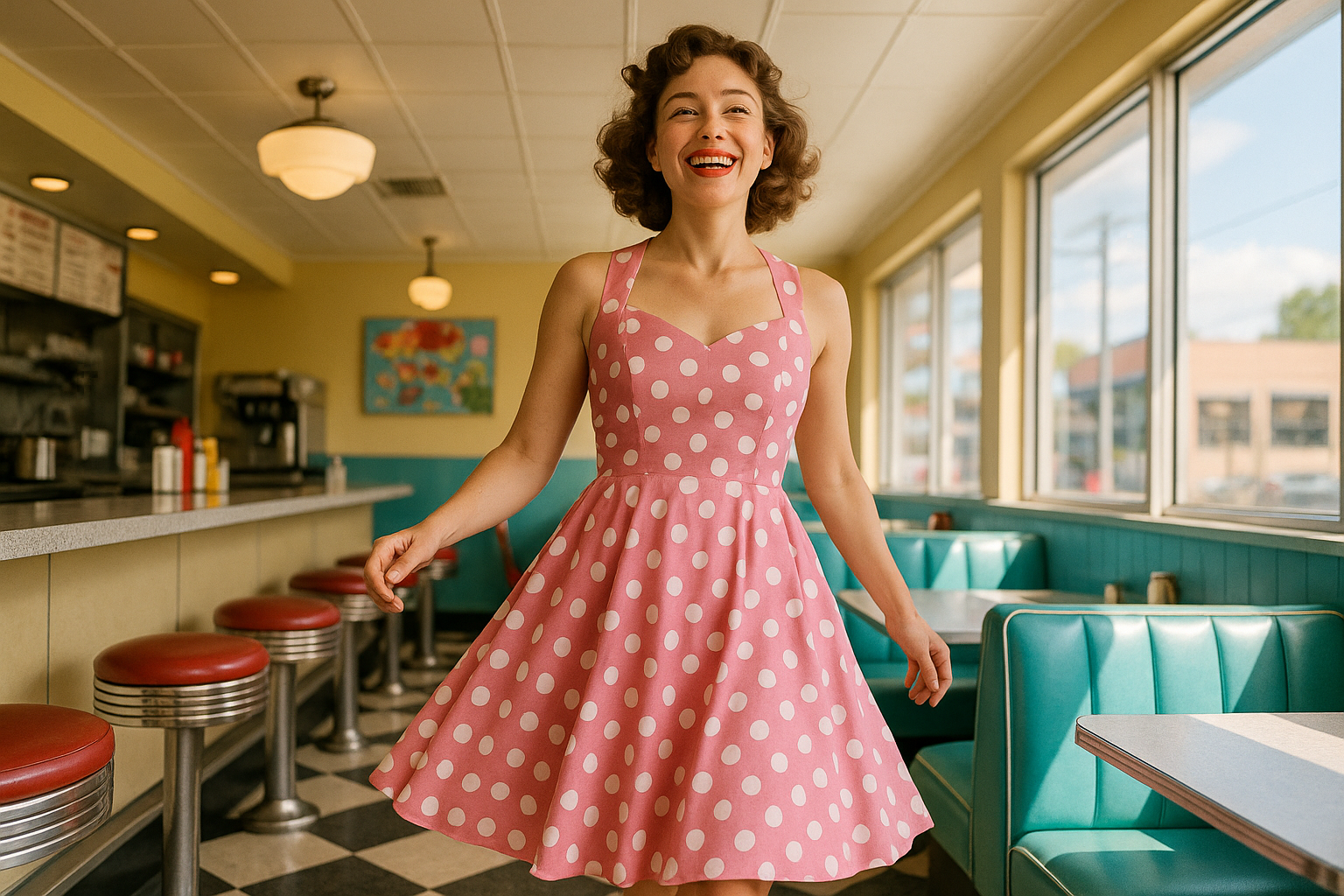
Popular Dresses Styles
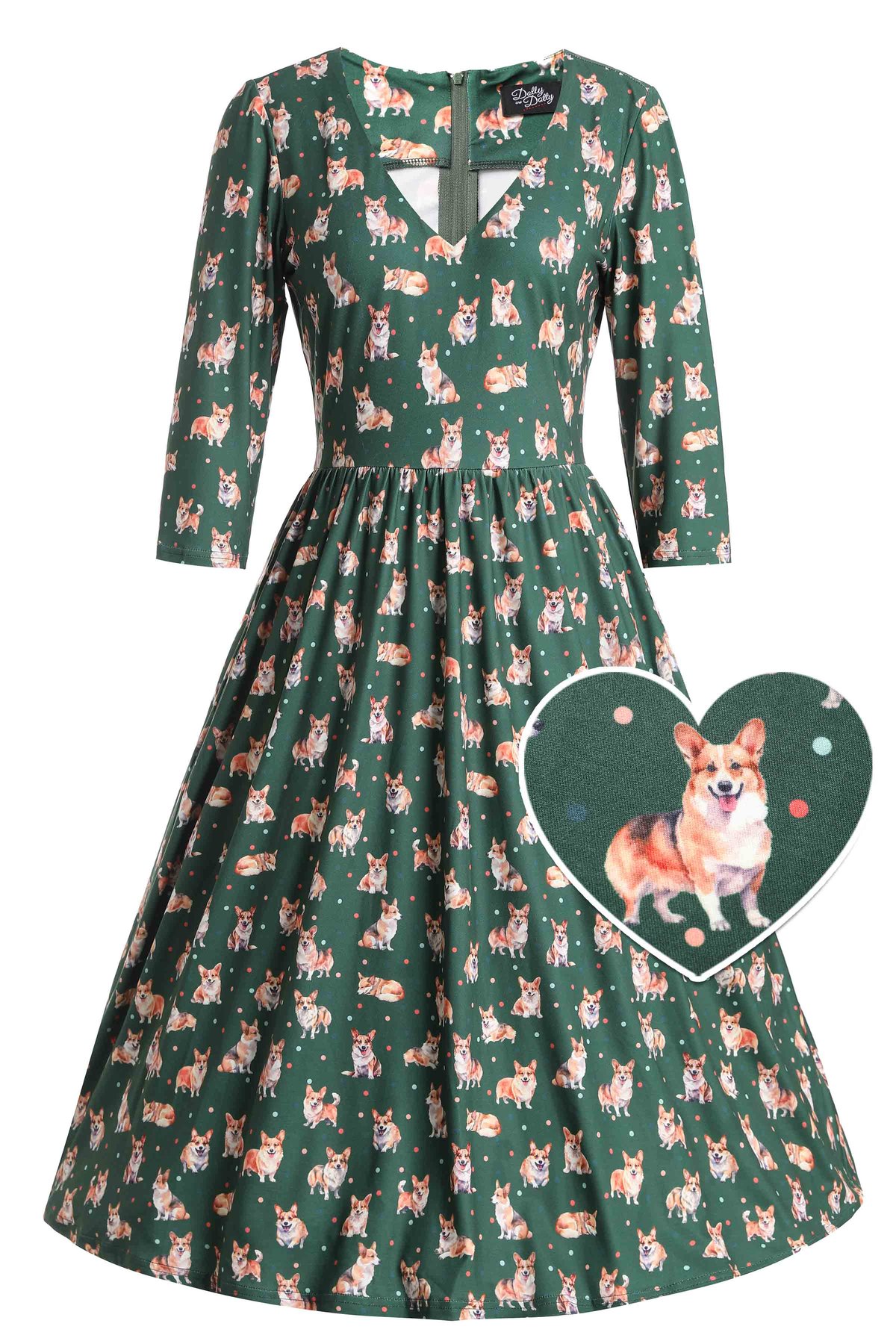
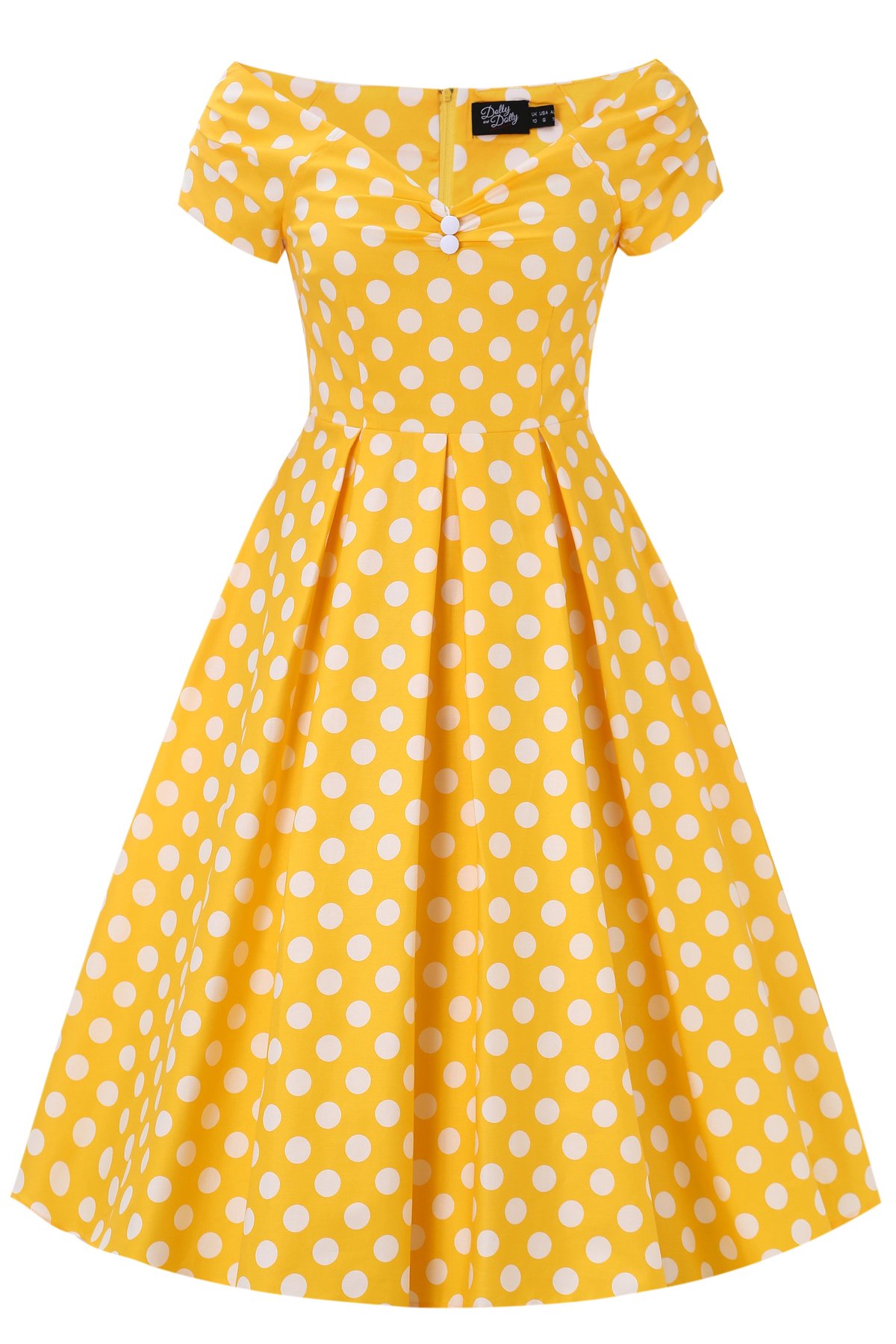
From Polka to Pin-Up: How Spots Stole the Show
Let’s set the scene: early 1950s, the world has dusted itself off, ration books are closing, and women are craving glamour, not utility. Enter polka dots—bold, bright, a pattern that didn’t just whisper change, it laughed right out loud. This was no accident. Dior’s ‘New Look’ was sweeping Europe with cinched waists and full skirts, and American designers like Claire McCardell were adding a sprinkle of spots, making practicality feel playful.
Hollywood was watching. Marilyn Monroe, Lucille Ball, and a dozen platinum-haired starlets turned polka dots into an attitude. Those iconic dresses weren’t just for the camera. Suddenly, spots danced out of movie screens and onto dance floors, high streets, and the hearts (and hips) of British women eager for a fresh, flirty silhouette. America’s love affair with bold navy-and-white swings met Britain’s softer tea dress takes—for once, the Atlantic wasn’t quite so wide.
The obsession caught fire because polka dots signalled freedom: you could go for cocktails, stroll in the park, or tear up a swing dance with equal style. Each dot felt like a little rebellion against the drabness of wartime. And whether you found yours in a fitted shirt dress or a breezy sleeveless swing, it was always, unmistakably, a statement.
Read moreThe Try-On Moment: Why Spots Still Pack a Punch
Here’s what they don’t tell you online: most people think vintage ‘only suits some people’. You tell yourself polka dots are too bold or too girly, only to find out—right there in front of Kitty Darling’s big gold-framed mirror—that actually, you look brilliant. It’s in the way your grin kicks up a gear. Or how you suddenly stand an inch taller, all because those little spots did what plain prints never can.
Customers who say, “I can’t wear big prints” end up twirling in a swing dress that makes their eyes pop, while vintage veterans rediscover just how flattering a crisp shirt dress can be when it actually fits their shape. You don’t need to know your decade or stick to the rulebook—sometimes all you need is the courage to try something new, shoes off, lipstick on, and a friendly nudge from someone who knows how mid-century magic works.
If you haven’t found your show-stopping style yet, that’s all the more reason to pop into our Bilston boutique. No pressure, just racks full of possibilities and a team who knows the real magic only happens in person—when the print, the fit, and the feeling finally click.
Read morePolka Dot Dress Questions, Answered
What makes polka dots such a classic 1950s style?
Polka dots signalled a new era of fun and femininity after the war. In the 1950s, film stars and pop culture icons made them the ultimate print for expressing confidence and charm. Swing, skater, and shirt dresses with spots became the default for lively, playful style that worked for everyone—not just pin-ups!
How do I know if a polka dot dress will suit my shape?
The best way is to try several on in person; many customers at Kitty Darling Bilston are amazed by which cuts—like sleeveless or belted waists—work for their figure. Polka dot prints flatter most shapes, creating curves and drawing the eye just where you want it.
Where are polka dot dresses most commonly worn?
In the 1950s, you’d spot them at weekend dances, park strolls, or summer parties—a true all-occasions print. Today, they’re still a go-to for everything from garden BBQs to nights out, especially in vibrant swing or plus size styles.
How did British and American polka dot fashions differ?
American polka dots in the 1950s were often bolder and found on bigger, fuller skirts popularised by actresses. British takes leaned softer, with smaller dots and more tea dress shapes, reflecting a touch more subtlety but just as much charm.
Can I style polka dot dresses with modern accessories?
Absolutely. Go classic with red lipstick or make it your own with trainers and a fitted denim jacket. Whether you go retro or remix, the right dress from Kitty Darling can handle it—and the mirror never lies!
Try Our Style Finder
If you are still deciding which silhouettes, prints, or eras suit you best, try our Style Finder page for a more guided way to explore Kitty Darling favourites.
Visit the Style Finder